Narrative Focused Trauma Care® Level I

This is more than a training – it’s a journey of the heart.

Grounded in psychology and theology, Narrative Focused Trauma Care® (NFTC) Level I guides you deeper than you thought possible. Engage your story, reclaim who God created you to be, and grow in curiosity, kindness, and courage—for yourself and the world around you.

Request More Info RSVP for a Coffee Hour

Healing Begins with Your Story.

All of us have experienced harm, big and small. The impact of trauma often lingers in ways we can’t simply think or pray away. We feel it in the places where we’re stuck, exhausted, or repeating patterns we can’t seem to break.

True healing comes when we bring our whole selves—heart, mind, and body—into the story of our lives, with people who will truly listen and walk with us. NFTC Level I is designed to start with you, because we cannot guide others beyond where we’ve gone ourselves. As you engage your story, you’ll gain psychological and theological frameworks that transform your life and equip you to extend that healing into your relationships, work, and community.

About Level 1

Learning Outcomes of Level I:

Through four intensive weekend training sessions, you will gain:

  • A deeper understanding of the nature of trauma and abuse, and how those experiences impact our stories and personhood.
  • Transformative engagement with your story, deepening awareness of how it has shaped your identity, style of relating, imagination, and calling.
  • Insight into the key elements of a person’s story arc, how family of origin impacts attachment styles, and how to identify and engage cycles of shame and contempt.
  • Deeper insight into your sexual development, exploring how it shapes your patterns of relating and understanding its connection to intimacy, identity, and relationships.
  • Expanded awareness of personal and collective identity formation, recognizing how culture, gender, race, sexuality, and socioeconomic experiences inform your understanding of and engagement with both your own story and the stories of others.

Your Training Experience

Each weekend offers an immersive experience that fosters personal transformation, deepens knowledge, and builds skills—all within a carefully structured schedule that incorporates invitations to rest and self-care.

Interactive Story Groups
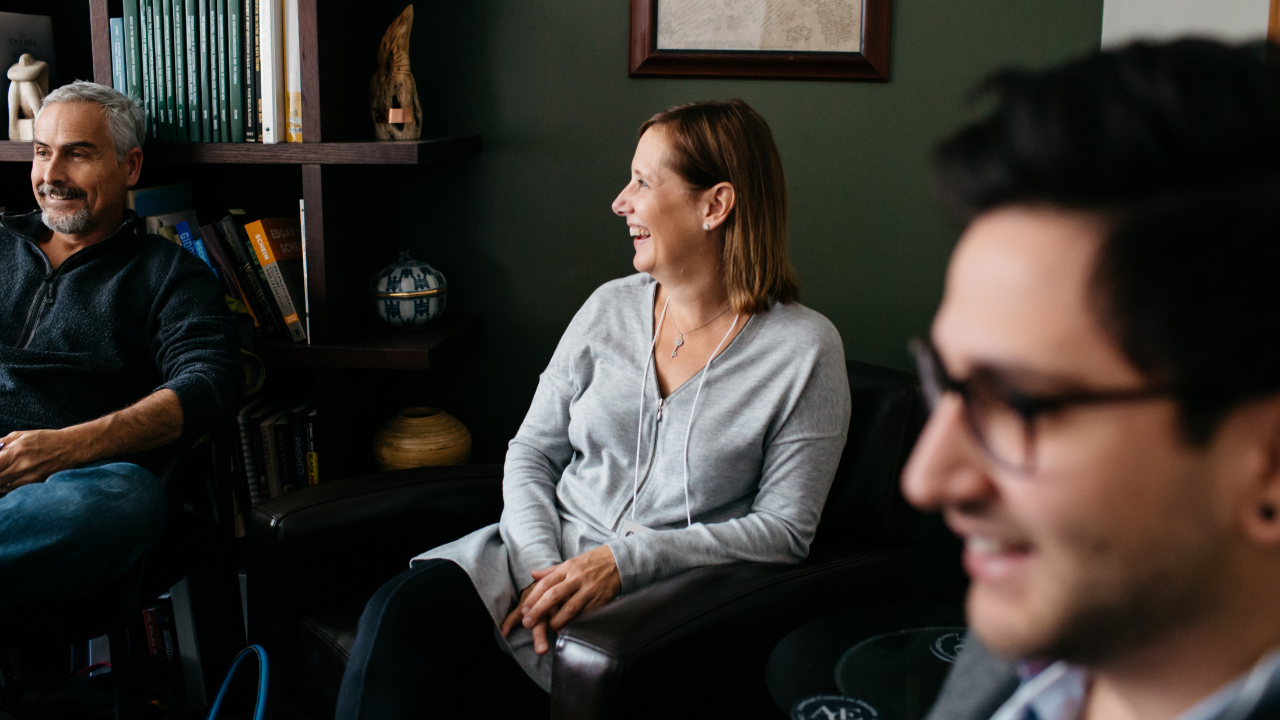
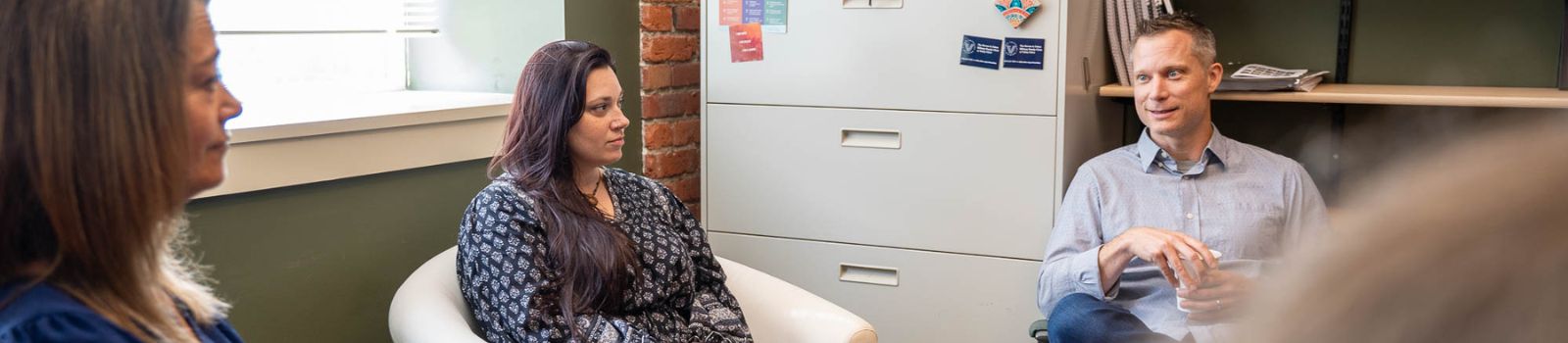
A defining feature of NFTC training is the opportunity to engage in an intimate, facilitator-led Story Group. Over the course of the program year, you will participate in 24 Story Group sessions (six sessions per 3-day intensive), providing consistent opportunities for engagement and growth. In-Person Cohort participants gather in a shared physical space led by on-site Facilitators, while Virtual Cohort participants connect securely online with experienced virtual Facilitators. Both formats cultivate deep reflection, meaningful transformation, and hands-on practice in Narrative Focused Trauma Care.
Live Teaching Sessions
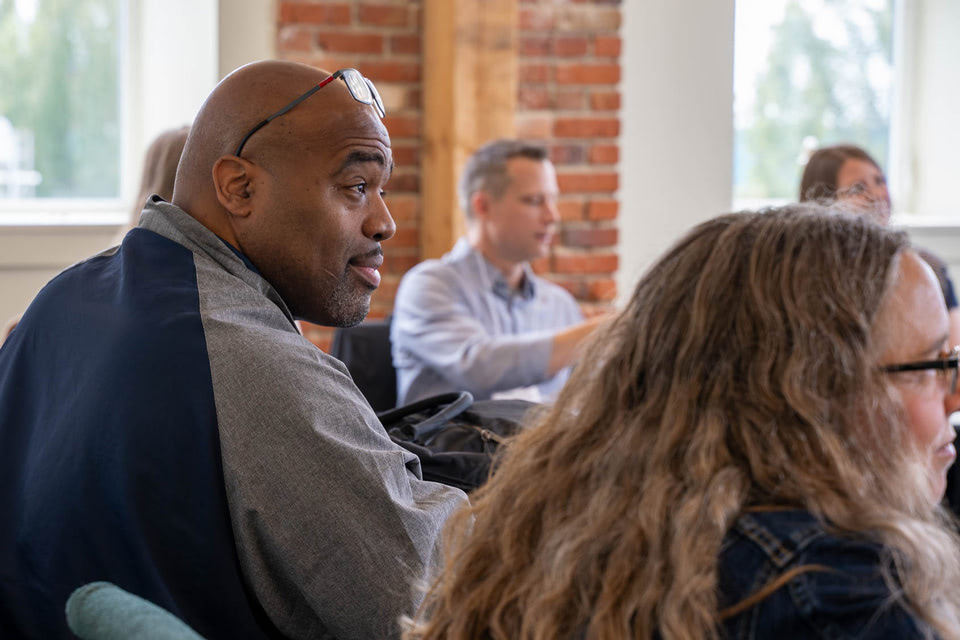
Live, interactive teaching sessions led by Dr. Dan Allender and our diverse and experienced Teaching Team. Both Virtual and In-Person cohorts will engage with the same teaching sessions, which are conducted live via Zoom. Virtual Cohort participants will join these sessions remotely, while In-Person Cohort participants at our Seattle location will gather in a classroom to watch the sessions projected onto a large screen. Please note that instructors will not be physically present in the room for the In-Person Cohort—all teaching will be conducted remotely and streamed live. The only in-person facilitation will take place in Story Groups, which are led by on-site facilitators.
Curriculum Grounded in Theology & Psychology
Weekend 1 – Shalom Framework: Core Components of Story and the Impact of Trauma & Abuse
Gain foundational insight into trauma, the power of engaging narrative, and how understanding your story within God’s greater story equips you to care for others.

Weekend 2 – Story in Context: How Your Story Shapes Who You Are
Explore how your family of origin, cultural identity, and collective stories shape and impact your way of being, relating, and leading.

Weekend 3 – Reclaiming Desire: Healing, Freedom, and the Power of Your Story
Become empowered to boldly engage the sacred realm of sexuality and desire, offering meaningful care to these tender stories—including where sexual trauma has left its mark—and an invitation to step into true freedom from shame.

Weekend 4 – Calling: Integrating Your Story and Purpose
Cultivate a deep, integrated understanding of how your story, God’s story, and your unique calling intertwine in the work of restoration.

Additional Learning Support
Throughout the program year, you’ll have access to a variety of resources designed to enhance your learning through our learning platform. These include preparatory reading, podcasts, films, and writing assignments to deepen your understanding. You’ll also receive 1-2 hours of video or audio teaching before weekend intensive sessions to introduce key concepts. Recordings of all teaching sessions will be available for you to revisit throughout the year. The recordings will be available for 60 days after the final Level I session for you to review, as well.
Benefits of completing Level I

Dr. Dan Allender NFTC

Being trauma-informed is not enough.

Discover how trauma impacts your body, brain, and soul with this foundational teaching from Dr. Dan Allender. You’ll learn why it’s essential to be equipped to engage with the trauma in your own story—and in the stories of those you care about.

This field is for validation purposes and should be left unchanged.
This field is hidden when viewing the form

Next Steps: Sync an Email Add-On

To get the most out of your form, we suggest that you sync this form with an email add-on. To learn more about your email add-on options, visit the following page (https://www.gravityforms.com/the-8-best-email-plugins-for-wordpress-in-2020/). Important: Delete this tip before you publish the form.
Name(Required)
Email(Required)


Dates & Locations

Dates for Level I Training: 2026-2027

NFTC Level I is available as both an In-Person Cohort or a Virtual Cohort, offering flexibility to engage in the way that best suits you. As a trainee, you’ll participate in four, 3-day intensive training weekends (Thursday–Saturday) featuring live teaching and interactive small group work, as well as one orientation session prior to the first weekend.

  • Orientation: September 3rd, 2026 (4:00-5:30 PM PT) This orientation occurs online via Zoom for all participants, regardless of cohort.
  • Weekend 1: September 17th -19th, 2026
  • Weekend 2: November 12th – 14th, 2026
  • Weekend 3: January 21st – 23rd, 2027
  • Weekend 4: March 11th – 13th, 2027

Each three-day session runs 8:00 AM – 4:00 PM PT (Thursday-Saturday). A detailed, daily schedule for the 2026-2027 cohort will be provided.

Location: Choose an In-Person or Virtual Cohort

You can choose to join NFTC Level I through either our In-Person Cohort hosted in Seattle, WA, or our Virtual Cohort hosted entirely online, providing flexibility to engage in the learning experience in the way that best suits your needs. Whichever format you choose, you’ll receive the same exceptional teaching and content and enjoy camaraderie with fellow participants.

To help your Story Groups stay cohesive and connected for all involved, you must commit to a single format (Virtual or In-Person) for all training weekends.

Read the FAQs below for more details, or contact us at programs@theallendercenter.org if you’d like help deciding which format is right for you.

Costs & Scholarships

Program Costs for Level I Training

  • Virtual Cohort: $7,495
  • In-Person Cohort: $8,495*

Upon receiving your notification of acceptance to NFTC Level I, you will be invited to complete your enrollment through our course portal. This step confirms your place in the program and includes selecting the payment option that best supports you. 

During enrollment, you may choose to:

  • Pay in full
  • Pay in 4 monthly installments
  • Pay in 8 monthly installments

Your spot is secured when you select your payment option and submit your first payment. A $500 portion of the total program cost is designated as a non-refundable Deposit.

Limited partial scholarships are also available; see below.

Both cohorts include 85 seat hours of Continuing Education Units (CEUs).

*The In-Person Cohort cost reflects the additional expenses involved in hosting and staffing an onsite experience. Attendance also includes daily access to light breakfast items, snacks, refreshments, and lunches.

Scholarships Are Available

We believe in the importance of this work and do our best to make this offering accessible. If the cost of the program is a barrier, we encourage you to invite your community to consider sponsoring you. We are also grateful to be able to offer a limited number of partial scholarships thanks to the generosity of our donor community.

While scholarship amounts are still being finalized for the 2026 program year, awards have typically ranged from $1,000–$1,500 off the total program cost. Final details will be available before applications open.

Scholarships are typically awarded on a first-come, first-served basis at the time of application. Instructions to apply for a scholarship using a self-reflection and self-assessment tool are provided when you submit your application. We prioritize support for applicants facing current financial constraints and/or systemic barriers that limit access to wealth and opportunities. If approved, you will be notified of your award amount along with your acceptance to the program.

If you are not initially awarded a scholarship but still choose to enroll at the standard fee, we trust this indicates you have found a way to cover the cost without scholarship assistance. We do not retroactively apply scholarships to those who have already enrolled.

Continuing Education Units (CEUs)

Participants in Narrative Focused Trauma Care Level I receive a certificate of completion verifying 85 seat hours (43 hours of teaching, 42 hours of group work). Participants may apply for recognition of these hours for CEU credit with their respective licensing bodies. The Allender Center is an organization housed within The Seattle School of Theology & Psychology. The Seattle School is accredited by the Commission on Accrediting of the Association of Theological Schools (ATS) and the Northwest Commission on Colleges and Universities (NWCCU), is authorized by the Washington Student Achievement Council, and meets the requirements and minimum education standards established for degree-granting institutions under the Degree-Granting Institution Act.

The Allender Center at The Seattle School will not be held responsible for professional licensing boards or states that do not recognize the requested CEUs.

How to Apply

To apply, create an account in our online portal and select your cohort (In-Person or Virtual). A non-refundable $50 application fee is required (waived when you apply by March 2, 2026).

Admission is not competitive—we accept a wide range of experiences and backgrounds, and professional experience in a helping profession is not required. Applications are carefully reviewed to ensure readiness for the depth and relational nature of this work.

The earlier you apply, the more access you’ll have to limited in-person cohort seats and available scholarships.

Priority Applications will open on Monday, February 2, 2026.

Request More Info

Priority Applications (Apply by March 2, 2026)

Application Dates: February 2 – March 2, 2026
Decisions Sent: March 11, 2026
First payment due by: March 31, 2026

Applications received by March 2 will have:

  • No fee to apply ($50 application fee waived!)
  • Option to pay in full or pay over 8 or 4 months
  • Priority access to claim available scholarships (for payment plans started by March 31)
  • Best chance to secure one of the limited seats in the in-person cohort

General Applications (Apply by April 30, 2026)

Application Dates: March 3 - April 30, 2026
Decisions Sent: May 8, 2026
First payment due by: May 31, 2026

Applications received by April 30 will have:

  • $50 application fee
  • Option to pay in full or pay over 8 or 4 months
  • Access to any remaining scholarships

Final Applications (Apply by May 31, 2026)

Application Dates: May 1 - May 31, 2026
Decisions Sent: June 8, 2026
First payment due by: June 30, 2026

Applications received by May 31 will have:

  • $50 application fee
  • Option to pay in full or pay over 8 or 4 months
  • Program admission and scholarships dependent on remaining availability

Payment and Refund Policy for Post-Enrollment Withdrawals & Deferments

View payment and refund policy

The Center understands that unforeseen circumstances may arise and wants to be clear about our financial policies regarding withdrawals or deferments that occur after you enroll. This policy exists because your enrollment reserves a limited spot in our program, and cancellations close to the start date make it difficult for us to fill that space. As a nonprofit we strive to steward our resources wisely, and withdrawals create financial challenges that impact our ability to operate and serve others effectively. We appreciate your understanding.

Once you receive your acceptance notice and choose to complete your enrollment, the following payment and refund policies go into effect:

  • To secure your spot in the program you can pay in full or set up a payment plan through our course portal. A $500 portion of the total Program fee is designated as a non-refundable, non-transferable Deposit.
  • If you withdraw or defer after completing your enrollment, Program fees may be refundable or still due, based on the following schedule. If an amount is still due, you are responsible for paying the amount through an existing payment plan or another payment method. Any retained fees are non-transferable:
    • Withdrawals or Deferments communicated on or before June 15, 2026: The $500 deposit is retained; 100% of any other Program fees paid will be refunded.
    • Withdrawals or Deferments communicated June 16-September 19, 2026: You are responsible to pay 25% of the total Program fee. Any amount above 25% that you have already paid will be refunded.
    • Withdrawals or Deferments communicated September 20-November 11, 2026: You are responsible to pay 50% of the total Program fee. Any amount above 50% that you have already paid will be refunded.
    • Withdrawals or Deferments communicated November 12, 2026 or later: You are responsible to pay 100% of the total Program fee.

If you choose to withdraw or defer your enrollment in the program, please promptly notify the Center in writing by sending an email to programs@theallendercenter.org.

View Scope & Limitations of NFTC

Narrative Focused Trauma Care is a theologically and psychologically-informed approach that integrates psychological perspectives within a Christian theological framework. NFTC incorporates research on trauma and attachment, as well as Christian biblical and archetypal frameworks, to understand the impact of trauma in relation to the self, God, and others. NFTC functions as a lens through which to understand personal and collective stories of trauma. It centers on the story engagement process, and NFTC training provides instruction that can help a trauma-informed individual offer a supported experience for exploring and understanding personal stories and their impacts.

NFTC can be applied in various professional and vocational contexts. While licensed counselors may integrate NFTC into their practice, it is not a substitute for clinical mental health services and does not diagnose or treat mental health concerns. NFTC should not be regarded as counseling, psychotherapy, or any other clinical intervention. NFTC trained individuals who use NFTC in their professional, volunteer, or personal contexts are responsible for ensuring use of the training is in compliance with applicable laws, regulations, and licensing or educational requirements in their location.

FAQs

Do I need to be in therapy to participate?
Not necessarily. NFTC Level I is not a replacement for therapy, but many people engage the training alongside therapy or as a next step in their healing. We recommend that you’ve had some sort of experience engaging your story, whether through therapy, counseling, a Story Workshop, Recovery Week, or work with an individual trained in NFTC. If you’re unsure, we’re happy to talk with you about what kind of support would be most helpful for where you are in your journey.
What are your theological beliefs?
The Allender Center is an unapologetically Christian institution that engages theology, psychology, and spirituality through thoughtful dialogue and embodied practice. NFTC is rooted in Christian theology, yet we aim to avoid restrictive dogma and spiritual bypassing of wounds. Instead, we cultivate a community of discourse, collaboration, mission, and shared life within our training cohorts.

Many participants find their beliefs are stretched, questioned, or deepened in unexpected ways. This is not a threat to faith, but is an invitation to wrestle, reflect, and grow in your understanding of yourself, others, and God.

We hold space for doubts, questions, and complex faith journeys. There is room for your experience here. If you do not identify as Christian, you are welcome; however, please note that the curriculum is grounded in Christian theology and includes engagement with Scripture.

To learn more about the theological identity of the Allender Center and The Seattle School of Theology, visit theseattleschool.edu/about/theological-statements/

Why does NFTC engage topics like sexuality, culture, and race?
Your story does not exist in isolation. All aspects of our human experience—culture, race, gender, sexuality, and socioeconomic context—shape how we understand ourselves, our relationships, and the world around us. As part of NFTC, we explore how these factors influence both your personal story and the stories of those you seek to serve.

Some of the concepts we present may feel challenging or unfamiliar. That is intentional. Expanding awareness of your personal and collective identity allows you to engage more fully and compassionately—with yourself, your relationships, and your community.

We approach this work thoughtfully and respectfully, creating a space where you can wrestle with these realities in a safe, supportive, and faith-informed environment. The goal is not simply intellectual understanding, but deeper empathy, integration, and wholeness in your life and in the lives of those you serve.

Why should Christians pursue trauma care at all? Isn’t faith enough?
Faith gives us meaning, belonging, and hope. Yet embodied wounds require embodied healing. Trauma affects your mind, body, and relationships, and we believe God meets us in the fullness of our humanity. Faith and psychology are not at odds; together, they offer a richer path toward wholeness.
Is this confidential?
Yes. We take confidentiality seriously. Your story is yours to share, and is kept within the confines of your small group. Your facilitator will provide clear guidelines so that every participant can feel safe, held, and honored.
I’m worried about the cost. Are there scholarships or payment options?
Yes. We offer payment plans and limited scholarships to make the training more accessible. If finances feel like a barrier, we encourage you to reach out—many people are surprised by what becomes possible when we talk through options together.
Is this a counseling degree?
This is a personal and professional training with Continuing Education Credits (CEUs) included for clinicians. If you’re interested in becoming a professional counselor, we encourage you to chat with our Admissions Team over at The Seattle School of Theology & Psychology about their Master of Arts in Counseling Psychology program.
Should I Choose the In-Person or Virtual Cohort?
In-Person Cohort: Ideal if you want in-person Story Groups, connection with fellow trainees over breaks and shared meals, and a focused, screen-free learning environment. Best if you can attend all four weekends in Seattle.

Virtual Cohort: Ideal if you need flexibility, want to participate from home, or prefer to avoid travel while still engaging fully in Story Groups and teaching sessions.

Can I mix in-person and virtual participation?
To support group continuity and ensure the best experience for everyone, you need to commit to attending all four weekends in-person at our Seattle location. Our In-Person Cohort is intentionally designed for full presence and participation in the shared, immersive Story Group sessions that occur onsite.
What do I need to participate in the Virtual Cohort?
You’ll need a quiet, private space where you can focus for the entire training weekend, plus a reliable computer with high-speed internet, a webcam, and a microphone. Be sure to secure childcare and/or time off work, if applicable, to ensure uninterrupted learning. All teaching sessions are livestreamed, and Story Groups meet online with your cohort.
What should I know about attending the In-Person Cohort?
All training weekends take place at the Allender Center at The Seattle School of Theology & Psychology, located at 1130 Rainier Ave South, Seattle, Washington 98144 (View map). Note: This is a new location! Our old address was on Elliott Avenue; please update your records.

Teaching sessions are livestreamed for the cohort to watch together in the classroom, while Story Groups are facilitated in-person, giving you a chance to engage deeply with your group. You’ll also have built-in opportunities to connect and share with fellow participants during breaks and meals, creating a rich, relational learning experience.

Participants arrange their own lodging and transportation, with opportunities to coordinate with fellow cohort members if desired. Plan to arrive in time for Thursday morning sessions and stay through Saturday evening.

Still have questions? Please reach out to our Admissions Team at programs@theallendercenter.org with any other questions you may have as you discern if you’d like to participate in the Virtual Cohort or In-Person Cohort.

Step into a Healing Community.

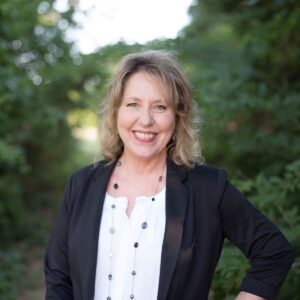
"My experience of going through the NFTC training went well beyond what I dreamed possible. I wanted to explore more of my story – what I came away with was my life."

– Laura Westbrook, Counselor (LPC)
Picture of a woman

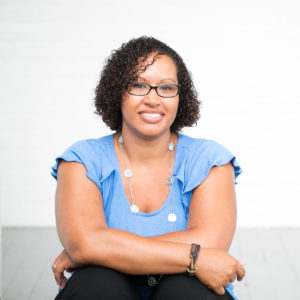
"Some of the most challenging and infinitely rewarding work you can do for yourself and for others."

– Vanessa Sadler, Spiritual Director, Enneagram Practitioner

“This is one of the most important aspects to my own personal healing journey I have ever taken. Such an amazing process and therapeutic approach. This has been truly life changing for me.”

– Daniel Schultz, Master of Arts in Counseling Psychology Graduate Student at The Seattle School
Kinsey Oglesby

"This training changed me. As a Soul Care Coach, I’ve been through a lot of trainings—but the Allender Center’s NFTC was different. It didn’t just sharpen my skills. It softened my heart, deepened my discernment, and helped me sit with others in their stories with more compassion and care than I knew I had."

– Kinsey Oglesby, Story Coach, Writer, and Speaker

Request More Information

If you’re interested in learning more about this training but are not ready to join us this year, we invite you to stay connected. Add your name to our interest list here, and we’ll be sure to keep you updated about the 2026–2027 training cohort and future opportunities.

Loading...

Questions about this training? We’d love to talk with you. Please reach out to programs@theallendercenter.org.

Learn More About Narrative Focused Trauma Care®

The Narrative Focused Trauma Care® (NFTC) Model is an innovative methodology that integrates psychology and theology to holistically engage the heartbreaking impact of trauma and abuse with compassion and care. This model builds on the foundational, lifelong work of Dr. Dan Allender in the realm of trauma and abuse recovery and his deep conviction that healing is not only possible, but is core to the gospel story unfolding within and around us.