In NFTC Level II, you will take a more active role as you begin to apply and practice your skills and technique. You will take turns facilitating other participants’ stories, receiving personal feedback and in-the-moment coaching along the way. This will be coupled with thoughtful engagement around ways in which your own story has shaped your own style of relating.
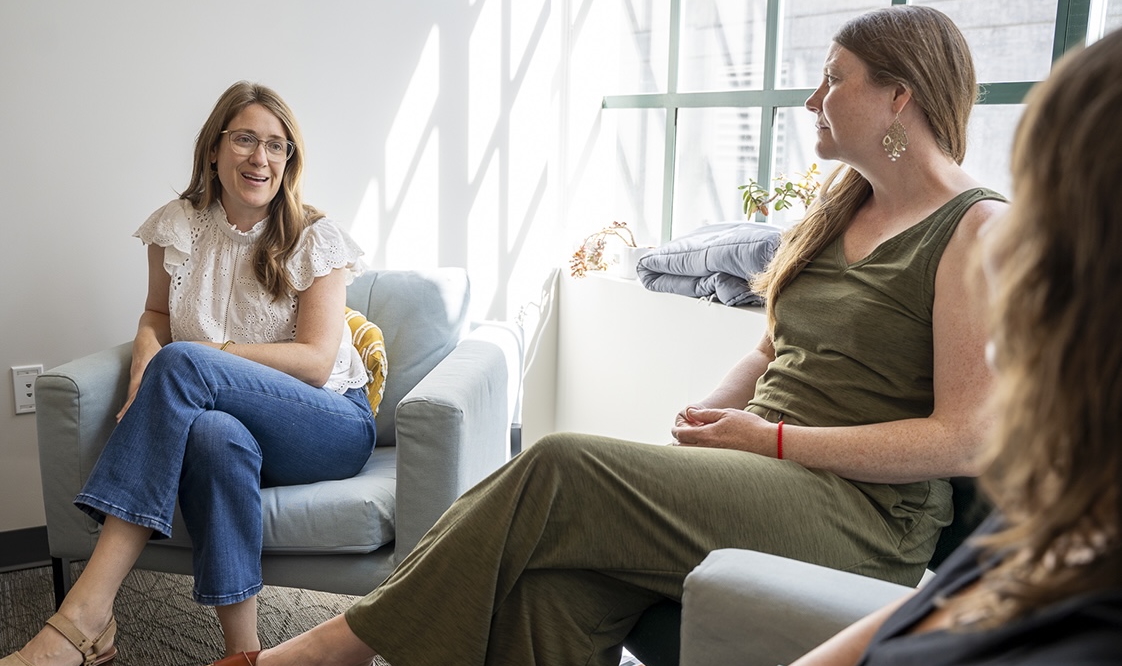
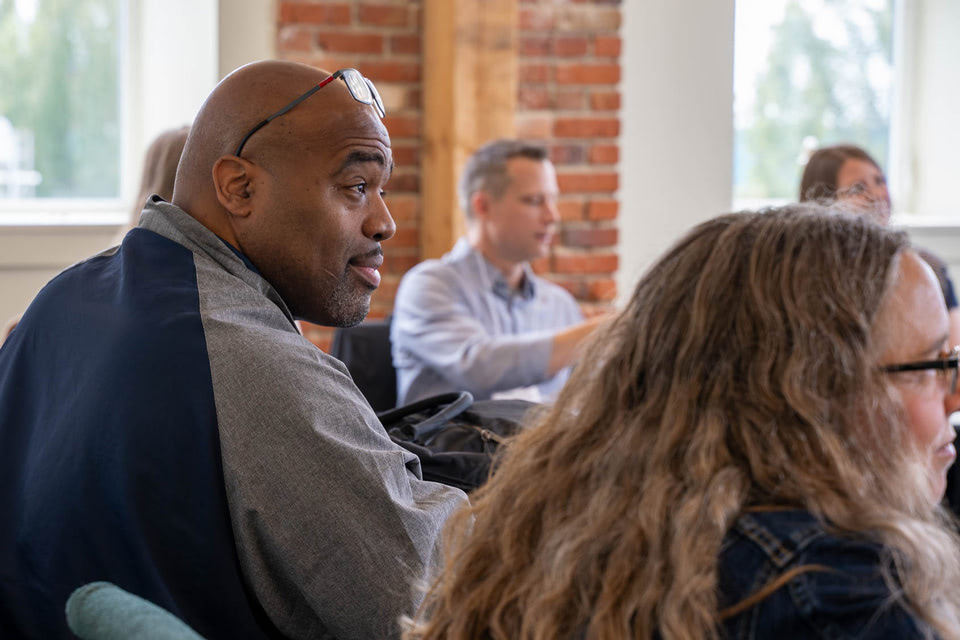
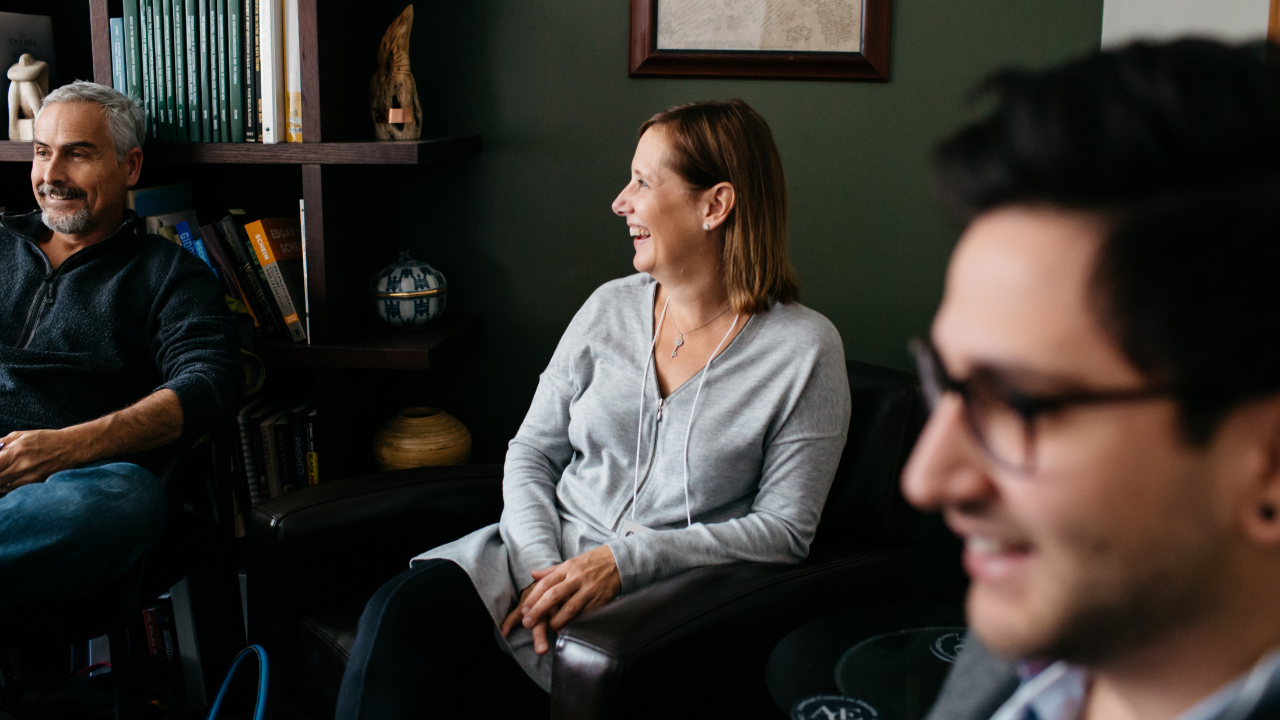
A defining feature of our NFTC training is the opportunity to participate in intimate, facilitator-led Story Groups. As in Level I, NFTC Level II includes 28 Story Group sessions—seven per weekend intensive—and participants will continue the practice of writing personal narratives to share within their groups. What distinguishes Level II is the deepened focus on your growth in story work facilitation: building on the personal story work and style of relating insights you explored in Level I, you’ll have expanded opportunities to practice and refine your personal facilitation skills with individuals in a consistent and supported environment. In NFTC Level I, your stories were engaged by a Facilitator; in NFTC Level II, you will begin to act as a facilitator yourself, engaging the stories of your fellow participants.
Experience live, interactive, virtual teaching sessions led by our diverse and experienced Teaching Team who were trained and mentored by Dr. Dan Allender. Teaching sessions deepen and expand the conceptual frameworks introduced in Level I, exploring them through the lens of facilitation. Additionally, Level II large group sessions feature live story engagements, workshopping of vignette case studies, and enhanced participant engagement through digital collaboration tools such as polling, Zoom chatting, and open, large group discussion.
Weekend 1 – Shalom Revisited: Deepening Your Engagement with Story and Trauma
Build on the Shalom framework you first encountered in Level I, now engaging it with greater depth, nuance, and application. Explore how a more practiced understanding of trauma and the narrative process equips you to meet others’ stories with greater skill, attunement, and theological imagination.
Weekend 2 – Story in Context: Family of Origin, Culture, and the Forces That Shape Us
Go deeper into the layered contexts that form who you are—your family of origin, your cultural and collective stories, and the systems that shaped your way of seeing, relating, and leading. In this weekend, you’ll explore how these formative forces are never left at the door; they are always already present in how you listen, respond, and offer care to others.
Weekend 3 – Honoring Desire: Engaging Sexual Story with Courage and Care
Move beyond introduction into more textured, clinically-grounded engagement with sexuality, desire, and sexual trauma. Drawing on theological frameworks and practitioner tools, this weekend invites you to deepen your capacity to bear witness to the complexity and tenderness of sexual stories, including your own, with honesty, grief, and hope.
Weekend 4 – Calling Refined: Your Story, Your People, Your Work
Bring together the threads of the year—story, context, desire, and formation—into a more integrated understanding of who you are and how you lead. Drawing on the Micah 6:8 framework, this weekend invites you to discern what it means to act justly, love mercy, and walk humbly with God in your particular work, and to step into your unique facilitation style with greater clarity, courage, and honest self-knowledge.
Towards the end of the program year, you’ll have a chance to meet with your facilitator for a one-on-one session to get more individualized feedback.
Throughout the program year, you’ll have access to a variety of resources designed to enhance your learning through our learning platform. These include preparatory reading, podcasts, films, and writing assignments to deepen your understanding. You’ll also receive 1-2 hours of video or audio teaching before most weekend sessions to introduce key concepts. Recordings of teaching sessions will be available for you to revisit throughout the year.